
Choosing an interactive tennis simulator requires more than comparing prices or screen sizes. Buyers should evaluate gameplay, ball tracking, software content, equipment configuration, space requirements, maintenance, and supplier support. The right system should match the venue's target audience, available space, operating model, and entertainment goals. For FEC operators, hotels, sports centers, and other commercial venues, comparing these factors before purchasing helps avoid costly mismatches and creates a better experience for players.
Not every tennis simulator is designed for the same purpose. Some systems focus on technical practice, while others emphasize interactive games and social entertainment. Understanding these differences is the first step toward making a practical purchasing decision.
When evaluating an interactive tennis simulator, focus on these eight areas:
- Gameplay and interactive experience
- Ball tracking and performance feedback
- Game modes and software content
- Equipment configuration and included accessories
- Installation space and venue compatibility
- Ease of operation and maintenance
- Customization options
- Warranty, installation, and after-sales support
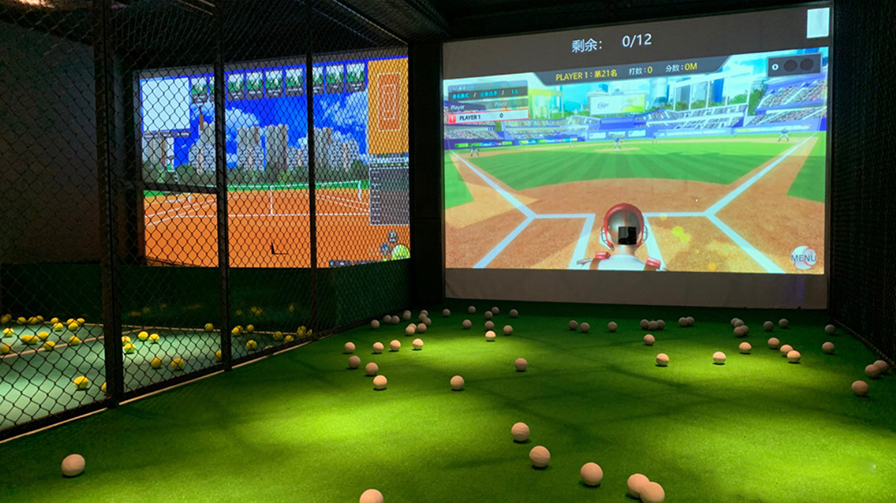
1. Interactive Tennis Simulator: What Is the Main Purpose?
Before comparing individual features, define what you expect the equipment to achieve. This is important because a simulator designed for tennis practice may have different priorities from one intended for commercial entertainment.
Training and Practice
If your main goal is tennis practice, look for functions that support consistent exercises and useful performance feedback. Buyers may want to understand how the system handles ball delivery, shot recognition, training exercises, and player progress.
For tennis clubs and sports facilities, the equipment should complement existing training activities. Ask whether the available exercises suit beginners, recreational players, or more experienced users.
Entertainment and Social Interaction
For FECs, shopping malls, hotels, and sports entertainment venues, the experience may matter more than technical training features. Visitors often want short, engaging activities that are easy to understand and enjoyable with friends or family.
In this case, consider game variety, visual feedback, scoring, competition features, and how quickly new players can start. A system that encourages repeat participation can be more suitable for an entertainment business than one designed exclusively for individual practice.
2. Compare Gameplay, Ball Tracking, and Feedback
Gameplay is one of the most important factors when choosing an interactive tennis simulator. It determines how players interact with the system and whether the experience feels engaging and responsive.
Ball Tracking and Shot Recognition
Ask how the system detects incoming balls and recognizes player actions. Depending on the equipment, tracking may involve cameras, sensors, or other detection technologies.
Instead of relying on broad claims such as "high accuracy," ask the supplier for a demonstration. Test different shot directions and speeds, and observe whether the displayed feedback corresponds to what the player actually does.
Useful questions include:
- Can the system recognize different shot directions?
- Does it provide immediate feedback after a shot?
- How does it respond to missed or incorrectly detected shots?
- Are there recommended lighting or installation conditions?
Game Variety and Replay Value
A commercial tennis simulator should offer an experience that visitors want to try more than once. Compare the available game modes and understand how they differ in objectives, difficulty, and session length.
For example, a venue may benefit from a combination of casual challenges, target-based games, and competitive activities. Different formats can appeal to beginners, families, groups of friends, and regular players.
Ask whether software updates or additional game content are available, and whether these involve extra fees. A clear understanding of the software package helps you evaluate its long-term value.
3. Interactive Tennis Simulator Equipment: What Is Included?
Two systems may both be described as tennis simulators but include very different equipment. Before comparing quotations, request a complete list of standard components and optional accessories.
| Component | What Buyers Should Check |
|---|---|
| Display system | Screen type, image size, resolution, and installation requirements |
| Tracking system | Detection method, recognition performance, and calibration process |
| Software | Included games, user interface, scoring, and update policy |
| Ball equipment | Ball supply, collection, storage, and any automatic handling functions |
| Player accessories | Rackets, protective equipment, and other included items |
| Installation package | Structural requirements, setup guidance, and commissioning |
Also check whether the quoted price includes shipping, installation, software configuration, and operator training. A lower initial price does not necessarily mean a lower total project cost if essential components are sold separately.
4. Check Space Requirements and Venue Compatibility
The available space can determine which tennis simulator configuration is suitable. Before ordering, measure the proposed installation area and share the dimensions with the supplier.
Measure the Complete Playing Area
Do not measure only the display or hitting area. Consider the player's movement, racket swing, equipment placement, spectator position, and access for maintenance.
For commercial projects, the layout should also account for customer circulation. If the simulator is installed in a shopping mall or FEC, visitors should be able to watch without entering the active playing area.
Consider the Venue Environment
Different locations have different requirements. A hotel may prioritize a compact and visually attractive entertainment area, while a sports center may have more room for regular practice activities.
Check ceiling height, lighting, power supply, floor conditions, and installation access. If the equipment uses cameras or optical tracking, ask whether ambient light or direct sunlight could affect performance.
5. Compare Maintenance and Daily Operation
For commercial buyers, equipment performance should be evaluated alongside daily operating requirements. A system that is difficult to manage can create additional work for staff, especially during busy periods.
Routine Maintenance
Ask the supplier which components require regular cleaning, inspection, calibration, or replacement. Request a maintenance schedule and clarify whether routine tasks can be handled by venue staff.
Ease of Use for Operators
Consider how staff start a session, select games, manage players, and respond to basic operating issues. A straightforward interface can reduce training time and make it easier to manage the attraction during busy hours.
Technical Support
Before purchasing, understand how the supplier handles troubleshooting and replacement parts. Ask about remote support, service response arrangements, warranty coverage, and the availability of technical documentation.
6. Consider Customization and Commercial Value
For an entertainment venue, the ability to adapt the experience to its audience and brand can be an important advantage. Customization may involve the appearance of the equipment, software interface, game content, or display elements.
Before making a decision, clarify which options are included in the standard configuration and which require additional development or fees.
Commercial buyers should also assess the business model. Consider how long a typical session will last, how many players can participate, whether the activity supports group bookings, and how it fits into the venue's existing attractions.
Rather than relying on generic revenue promises, estimate potential performance using your own expected visitor numbers, pricing, operating hours, and staffing costs.
Explore Chfuntek Interactive Tennis Solutions
Chfuntek provides interactive sports and entertainment equipment for commercial venues and indoor activity spaces. Our tennis simulator is designed to bring tennis-inspired gameplay into an indoor environment, giving operators another activity to consider for their entertainment projects.
When evaluating a tennis simulator, it is important to match the equipment configuration and gameplay experience with your venue's requirements. Chfuntek can discuss project needs, available space, and suitable solution options with you.
Learn more about Chfuntek Tennis Simulator or contact our team to discuss your project and request a product catalog.
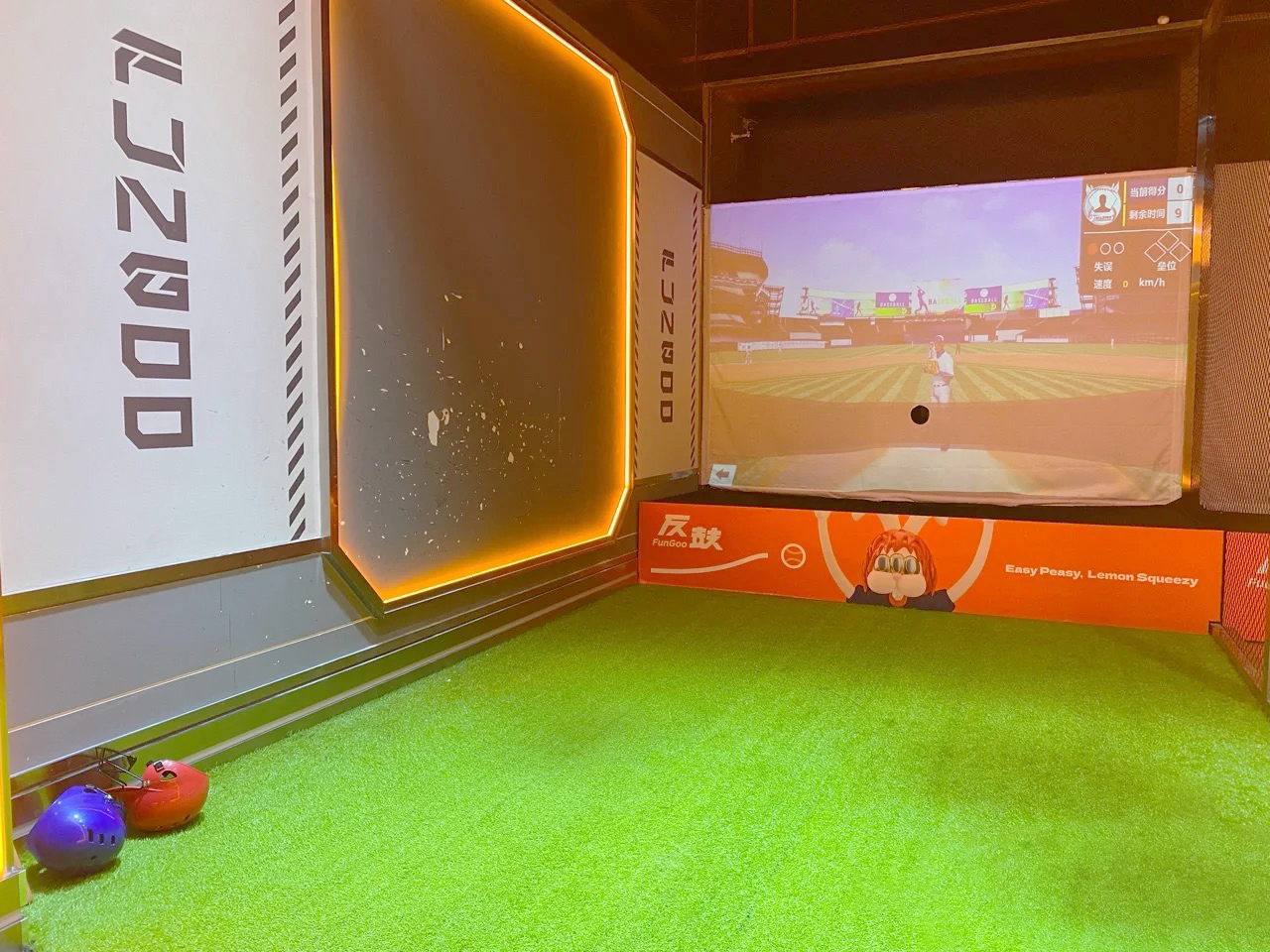
7. How to Compare Tennis Simulator Suppliers
The supplier is an important part of the purchasing decision. Even a suitable product can become difficult to operate if the project lacks proper installation guidance or after-sales support.
When comparing suppliers, consider the following:
- Product experience: Can the supplier explain the equipment configuration and demonstrate the actual system?
- Project planning: Can they review your floor plan and identify installation requirements?
- Customization: Can the solution be adapted to your venue, audience, or branding needs?
- Installation support: Are setup instructions, technical documents, and commissioning arrangements available?
- Warranty: What parts and services are covered, and for how long?
- After-sales service: How are technical problems, software issues, and spare parts handled?
It is also useful to request references, installation examples, or a live product demonstration. These provide a clearer picture of the supplier's experience than a feature list alone.
Frequently Asked Questions About Interactive Tennis Simulators
What is an interactive tennis simulator?
An interactive tennis simulator combines a display-based environment with physical tennis actions. Depending on the system, it may use tracking technology, game software, scoring, and visual feedback to create interactive tennis activities indoors.
What should I look for when buying a commercial tennis simulator?
Compare gameplay, tracking performance, software content, equipment configuration, space requirements, maintenance, customization, warranty, and supplier support. The best choice depends on whether the system is intended for training, recreation, or commercial entertainment.
Is an interactive tennis simulator suitable for an FEC?
It can be suitable for an FEC that wants to add an indoor sports attraction. Buyers should evaluate whether the game modes are accessible to casual visitors, whether sessions fit the venue's operating model, and whether the installation can accommodate the expected visitor flow.
How much space is needed for a tennis simulator?
There is no universal space requirement because configurations vary. Buyers should confirm the full installation dimensions, player movement area, ceiling height, and maintenance clearance with the supplier before preparing the site.
Can a tennis simulator be customized for a commercial venue?
Customization options depend on the supplier and system. They may include equipment appearance, branding, software interface, or game content. Ask for a clear list of available options and any associated costs before placing an order.
How do I compare tennis simulator prices?
Compare the complete package rather than the headline price. Check included hardware, software, accessories, shipping, installation, warranty, training, and ongoing service costs. This gives you a more realistic view of the total investment.
Final Thoughts
Choosing an interactive tennis simulator is a decision that should be based on the complete user experience and the practical needs of your venue. Gameplay, tracking, software, equipment, installation space, daily operation, and supplier support all deserve careful consideration.
For commercial buyers, the right system should fit both the available space and the way the venue operates. Take time to compare configurations, request a demonstration, and confirm the full project requirements before making a purchase.
Chfuntek offers interactive tennis equipment solutions for indoor sports and entertainment projects. Explore our Tennis Simulator or contact Chfuntek to discuss your project requirements.

