Bowling remains one of the most popular recreational activities worldwide, attracting families, friends, corporate groups, and competitive players alike. However, venue owners and investors exploring the bowling business today often face an important question: Ten Pin Bowling or Mini Bowling—which is the better choice?
While traditional Ten Pin Bowling has been the industry standard for decades, Mini Bowling has emerged as an attractive alternative for Family Entertainment Centers (FECs), sports bars, hotels, shopping malls, and multi-attraction venues.
Each format offers unique advantages, and the best option depends on your business goals, available space, target audience, and budget.
In this guide, we'll compare Ten Pin Bowling and Mini Bowling across key categories including gameplay, space requirements, installation costs, customer appeal, revenue potential, and long-term operational considerations.
Understanding Ten Pin Bowling
Ten Pin Bowling is the traditional version of the sport most people recognize. Players roll a bowling ball down a full-length lane toward ten pins arranged in a triangular formation.
Standard Ten Pin Bowling lanes typically feature:
-
A lane length of approximately 60 feet (18.29 meters)
-
Full-size bowling balls
-
Ten regulation pins
-
Automated scoring systems
-
Commercial pinsetter equipment
For decades, Ten Pin Bowling has been a cornerstone attraction in bowling centers worldwide. It appeals to a broad demographic, from casual recreational players to league bowlers and tournament competitors.
Because of its familiarity and competitive nature, Ten Pin Bowling continues to generate consistent demand in traditional bowling centers and entertainment venues.
What Is Mini Bowling?
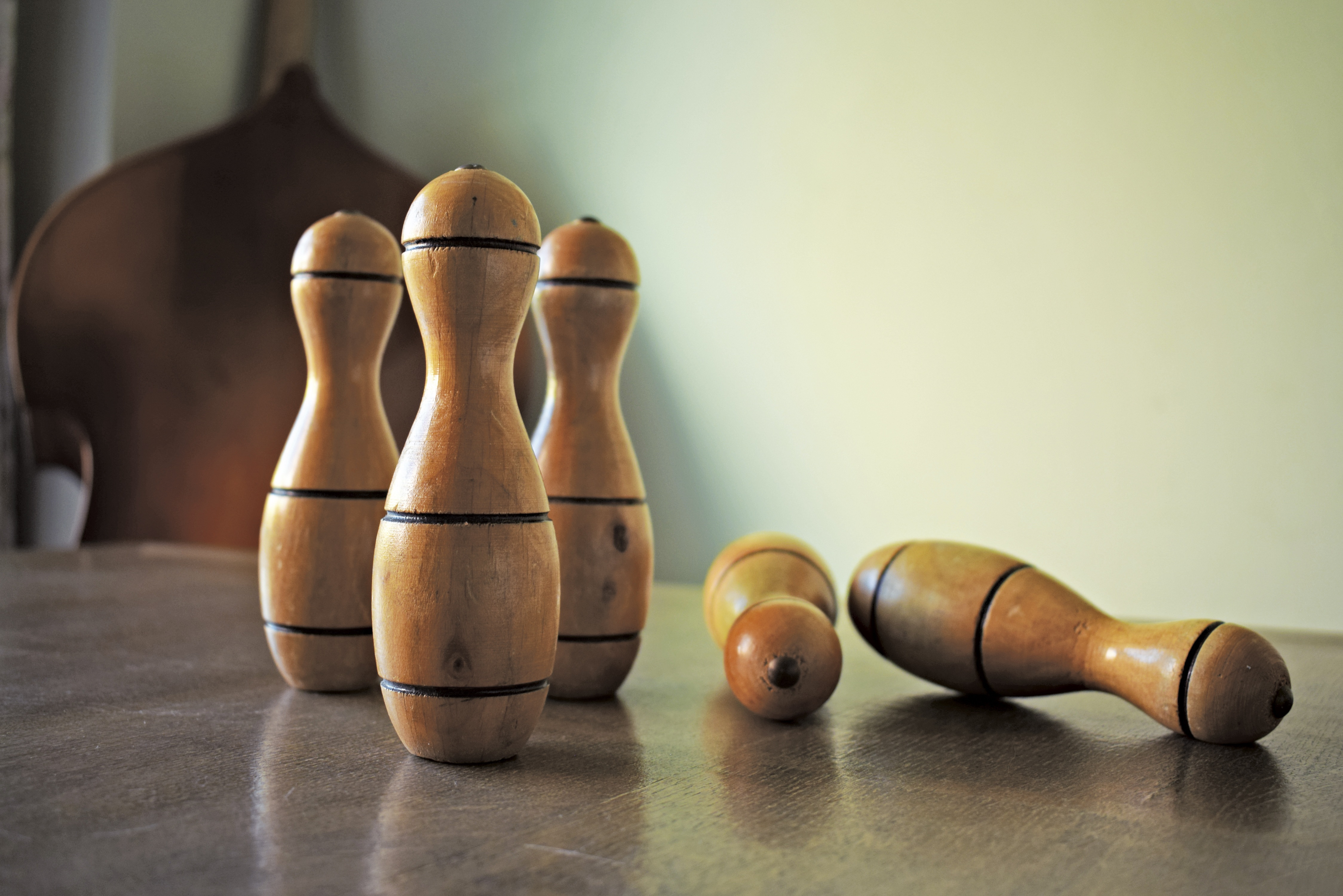
Mini Bowling is a compact version of traditional bowling designed for modern entertainment environments.
Although rules are similar to Ten Pin Bowling, Mini Bowling uses:
Mini Bowling focuses on accessibility and entertainment rather than professional competition.
Many Family Entertainment Centers and sports entertainment venues choose Mini Bowling because it allows them to offer a bowling experience without dedicating the large amount of space required for full-size lanes.
Mini Bowling is often installed alongside arcades, sports simulators, redemption games, and other attractions, creating a more diverse entertainment experience.
Space Requirements: A Major Decision Factor
One of the biggest differences between Ten Pin Bowling and Mini Bowling is space.
A traditional Ten Pin Bowling installation requires substantial floor space. In addition to the lanes themselves, operators must account for:
-
Approach areas
-
Seating zones
-
Walkways
-
Pinsetter machinery
-
Maintenance access
For many urban venues and smaller entertainment facilities, finding sufficient space can be challenging.
Mini Bowling offers a significant advantage in this area.
Its compact design allows operators to install lanes in locations where traditional Ten Pin Bowling would be impractical.
For example:
| Feature |
Ten Pin Bowling |
Mini Bowling |
| Lane Length |
Full-size |
Compact |
| Space Required |
High |
Low |
| Installation Complexity |
High |
Moderate |
| Suitable for Small Venues |
Limited |
Excellent |
For facilities with limited square footage, Mini Bowling often becomes the more realistic option.
Installation and Investment Costs
Investment cost is another important consideration.
-
Full-length lane construction
-
Advanced pinsetter systems
-
Ball return equipment
-
Specialized flooring
-
Larger facility infrastructure
As a result, startup costs can be substantial.
Mini Bowling generally requires lower initial investment because:
-
Shorter lanes reduce construction costs
-
Equipment is more compact
-
Installation is faster
-
Facility modifications are often minimal
For investors seeking a lower barrier to entry, Mini Bowling can provide an attractive solution while still offering the excitement of bowling.
However, it's important to evaluate long-term revenue potential rather than focusing solely on upfront costs.
Customer Experience and Accessibility
Both formats offer enjoyable experiences, but they appeal to slightly different audiences.
Ten Pin Bowling attracts:
The full-size format provides an authentic bowling experience that many customers prefer.
Mini Bowling, on the other hand, tends to appeal to:
-
Families with children
-
Casual players
-
First-time bowlers
-
Social groups
The lighter balls and shorter lanes make the game easier for younger players and beginners.
This accessibility often increases participation rates, particularly in entertainment-focused venues.
For Family Entertainment Centers, Mini Bowling may align more closely with customer expectations because it emphasizes fun and social interaction.
Revenue Potential and Business Opportunities
When comparing Ten Pin Bowling and Mini Bowling, revenue generation is often the deciding factor.
Traditional Ten Pin Bowling centers benefit from:
-
League memberships
-
Tournament hosting
-
Food and beverage sales
-
Shoe rentals
-
Corporate events
These revenue streams can be highly profitable when supported by a large customer base.
Mini Bowling creates different opportunities.
Because it occupies less space, operators can combine it with:
This allows venues to generate revenue from multiple attractions within the same footprint.
For many modern entertainment venues, maximizing revenue per square foot is a key business objective. In these situations, Mini Bowling may offer a stronger overall return on investment.
Maintenance and Operational Considerations
Maintenance is another factor that should not be overlooked.
Traditional Ten Pin Bowling systems involve:
While modern equipment is highly reliable, maintenance costs remain an important operational consideration.
Mini Bowling systems are often designed with simplicity in mind.
Many operators find that compact bowling systems require:
-
Less maintenance
-
Reduced downtime
-
Lower operating expenses
This can be particularly beneficial for facilities that do not employ dedicated technical staff.
Reducing maintenance requirements allows operators to focus more on customer experience and business growth.
Which Option Is Better for Your Venue?
The answer depends on your specific goals.
Choose Ten Pin Bowling if:
-
You want a traditional bowling center
-
You have sufficient space
-
Your audience includes league and competitive bowlers
-
You are building a dedicated bowling venue
Choose Mini Bowling if:
-
Space is limited
-
You operate a Family Entertainment Center
-
You want to maximize revenue per square foot
-
You prefer lower installation costs
-
You serve families and casual players
There is no universal winner.
The best choice depends on your venue's business model, customer demographics, and investment strategy.
How Modern Entertainment Venues Are Expanding Beyond Traditional Bowling
An important trend in the entertainment industry is the shift toward multi-attraction venues.
Today's customers often expect more than a single activity. They want immersive experiences that combine competition, social interaction, and variety.
As a result, many operators are integrating bowling with interactive attractions such as:
This approach increases customer dwell time and encourages repeat visits.
Rather than choosing between bowling and other attractions, many successful venues now combine multiple experiences to create a destination that appeals to a broader audience.
Discover Chfuntek's Modern Bowling and Sports Entertainment Solutions
Whether you're considering Ten Pin Bowling, Mini Bowling, or a broader entertainment concept, selecting the right equipment partner is critical.
At Chfuntek, we help entertainment venues create engaging attractions that drive customer traffic and maximize revenue potential.
In addition to innovative bowling solutions, Chfuntek offers the Socabot Interactive Soccer Game System, an exciting attraction designed for:
Socabot combines LED target technology, digital scoring, and competitive gameplay to create a highly engaging experience for players of all ages.
For operators looking to complement their bowling offering with an interactive sports attraction, Socabot provides a unique way to increase participation, encourage repeat visits, and enhance the overall customer experience.
As entertainment venues continue to evolve, combining bowling with interactive attractions can help create a more dynamic and profitable business model.
Conclusion
Both Ten Pin Bowling and Mini Bowling offer valuable opportunities for entertainment venue operators.
Traditional Ten Pin Bowling delivers the authentic experience that serious bowlers love, while Mini Bowling provides a flexible and space-efficient solution for modern entertainment environments.
The right choice depends on your available space, budget, customer demographics, and long-term business goals.
By carefully evaluating these factors and considering complementary attractions such as interactive sports experiences, venue operators can create destinations that attract more customers, increase engagement, and generate sustainable revenue growth.
FAQ
What is the difference between Ten Pin Bowling and Mini Bowling?
Ten Pin Bowling uses full-size lanes, balls, and pins, while Mini Bowling uses shorter lanes and smaller equipment designed for casual play.
Is Mini Bowling cheaper to install than Ten Pin Bowling?
Yes. Mini Bowling generally requires less space, lower construction costs, and more compact equipment.
Which option is better for Family Entertainment Centers?
Mini Bowling is often preferred because it appeals to families, children, and casual players while requiring less space.
Can sports bars install bowling attractions?
Yes. Many sports bars choose Mini Bowling or compact bowling solutions because they fit more easily into existing layouts.
Does Ten Pin Bowling generate higher revenue?
Traditional Ten Pin Bowling can generate strong revenue through leagues and tournaments, but Mini Bowling may offer better revenue per square foot in multi-attraction venues.
Can bowling attractions be combined with interactive sports games?
Absolutely. Many modern entertainment venues combine bowling with attractions such as soccer simulators, arcade games, and virtual reality experiences to increase customer engagement.


