Running a bar, family entertainment center, or hotel recreation area comes with a constant pressure: keep guests entertained long enough to come back. An indoor soccer simulator has emerged as one of the most effective answers to that challenge—but before you commit to one, you need a clear picture of what it actually costs and what you'll get in return.
This guide breaks down every layer of the investment: hardware, installation, ongoing expenses, and realistic revenue potential. No fluff, no guesswork.
What Is an Indoor Soccer Simulator?
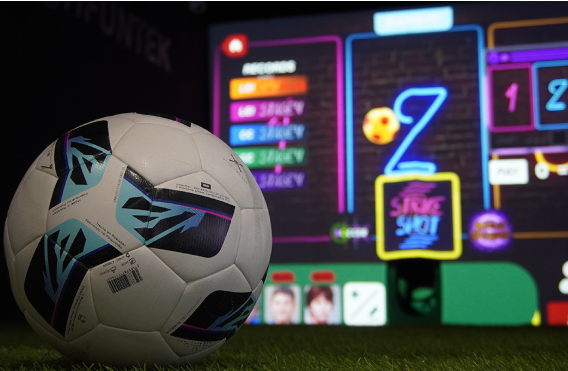
An indoor soccer simulator is an interactive sports entertainment system that lets players kick real balls at a large projection screen or LED wall. Sensors and cameras track ball speed, trajectory, and point of contact in real time, feeding the data into software that renders dynamic in-game responses—whether that's a goalkeeper diving, targets exploding, or a penalty shootout scoreboard lighting up.
Unlike static game consoles, these systems require physical movement and spatial thinking. That's a big part of why they generate longer dwell times and repeat visits. Players aren't just watching—they're sweating, competing, and sharing clips.

The Full Cost Breakdown
-
Equipment Purchase Price
This is the biggest line item. A commercial-grade interactive soccer simulator typically ranges from $8,000 to $35,000+, depending on system complexity, screen size, software library, and hardware build quality.
Here's a rough breakdown by tier:
-
Entry-level systems ($8,000–$15,000): Single screen, basic game modes, manual ball retrieval. Suitable for small bars or restaurants testing the concept.
-
Mid-range systems ($15,000–$25,000): Larger projection area, automated ball return, multiple game modes, leaderboard integration. The most popular choice for FECs and hotel lounges.
-
Premium/commercial systems ($25,000–$40,000+): High-resolution LED walls, advanced motion tracking, multi-player configurations, custom branding, and real-time performance analytics.
For most commercial venues, the mid-range tier delivers the best balance of guest experience and return on investment.
-
Installation and Setup
Don't overlook this. A soccer simulator requires more than plugging in a cable. You'll typically need:
-
Structural wall or screen mounting — especially for larger LED or projection setups
-
Floor preparation — non-slip turf or impact-absorbing mats to protect the playing surface and reduce injury risk
-
Power and networking — stable connectivity for software, scoring displays, and cloud-based leaderboards
-
Space allocation — most single-station systems need a minimum footprint of roughly 6m × 4m with a ceiling height of at least 3m
Professional installation by the manufacturer's engineers typically adds $1,500–$5,000 to the upfront cost, though many suppliers (including Chfuntek) include on-site setup as part of the package. That's worth factoring into your comparison.
-
Ongoing Operating Costs
Once the system is running, the monthly overhead is surprisingly lean—especially compared to hiring staff for live entertainment or maintaining physical sports facilities.
Typical recurring costs include:
-
Software licensing or updates: $50–$200/month depending on the provider
-
Routine maintenance: Ball sensors, projector lamps, and screen panels need periodic checks. Budget roughly $100–$300/month for consumables and minor servicing.
-
Electricity: A commercial simulator draws around 500W–2kW continuously. At average commercial rates, expect $30–$80/month in added utility costs.
-
Replacement parts: Reputable manufacturers offer spare part inventories and SLA agreements. Confirm response times before purchase—downtime is lost revenue.
Total ongoing cost for a mid-range setup typically runs $200–$600/month, which is remarkably low for a revenue-generating attraction.
-
Space and Renovation Costs
If your venue needs structural changes to accommodate the simulator—knocking down a wall, reinforcing a floor, or adding ventilation—costs can vary widely. Modest renovations run $2,000–$10,000. Purpose-built installations in larger venues can go higher.
The good news: many venues install soccer simulators without any major construction. A corner of a bar, a spare bay in an FEC, or an unused hotel games room can often be converted with minimal work.
Revenue Potential: What Can You Realistically Earn?
This is the question that matters most. Here's how commercial venues typically monetize an indoor soccer simulator:
-
Per-session pricing: $5–$15 for 10–15 minutes of play. During peak hours, a single station can cycle through 4–6 groups per hour.
-
Party and event packages: Birthday parties, corporate team events, and group bookings command $80–$250+ per booking and fill off-peak slots.
-
Monthly memberships or punch cards: For regular visitors, subscription access drives predictable recurring revenue.
-
Tournaments and leagues: Leaderboard-driven competitions create community, social media buzz, and repeat footfall.
A conservatively run mid-range simulator in a decent-traffic venue can generate $2,000–$6,000/month in direct revenue. That puts the payback period somewhere between 12 and 24 months for most operators—often faster in high-footfall locations like malls or entertainment complexes.
Hidden Costs to Watch For
A few line items that catch buyers off guard:
Software lock-in: Some suppliers charge high ongoing licensing fees or limit game content behind paywalls. Ask specifically what's included and what future content updates cost.
Training and onboarding: Staff need to know how to run the system, troubleshoot basics, and keep sessions moving. Look for suppliers who provide one-on-one training as standard.
Warranty and after-sales support: A one-year parts-only warranty sounds fine until something breaks 14 months in. Prioritize suppliers with multi-year coverage and accessible technical support.
Shipping and import duties: For international buyers, freight costs and customs duties can add 5–15% to the hardware price. Get a full landed cost quote before comparing suppliers.
Chfuntek Socabot: A Purpose-Built Commercial Solution
If you're evaluating specific products, Chfuntek's Socabot Interactive Soccer Simulator is designed with exactly these commercial realities in mind. The system features an automatic ball launcher with adjustable speed and angle, a hands-free ball lift and return mechanism (which significantly cuts down on staff intervention), and a regularly updated software library with multiple game modes for different age groups and skill levels.
What makes Chfuntek's approach stand out for venue operators is the end-to-end service model: factory engineers handle on-site installation, one-on-one training is included as standard, and the hardware is built for sustained daily use rather than light residential traffic. Their team works with venues across family entertainment centers, hotels, bars, and restaurant complexes—so the configuration advice is grounded in real deployment experience.
For venues that want a complete solution without the guesswork, it's worth reaching out to the Chfuntek team to get a customized quote based on your space and revenue goals.
Frequently Asked Questions
How much does an indoor soccer simulator cost on average?
For commercial use, expect to invest between $15,000 and $30,000 for a mid-range interactive soccer simulator system, including installation. Entry-level options start around $8,000, while premium multi-station setups can exceed $40,000.
How long does it take to recoup the investment?
Most venue operators see payback within 12–24 months, depending on foot traffic, pricing strategy, and how actively the system is promoted. High-traffic venues can see returns in under a year.
How much space do I need for an indoor soccer simulator?
A single-station system typically requires a minimum playing area of around 6m × 4m (roughly 20ft × 13ft) with a ceiling height of at least 3m. Some compact systems can fit in smaller footprints—confirm dimensions with your supplier before purchase.
What ongoing maintenance does an interactive soccer simulator require?
Maintenance is relatively light. Routine tasks include cleaning sensors, checking ball return mechanisms, and updating software. Monthly costs are typically $200–$600 all-in, making it one of the lower-maintenance entertainment attractions available.
Can I customize the game content and branding?
Many commercial suppliers—including Chfuntek—offer customizable software, branded splash screens, and game modes tailored to your venue's audience. This is worth prioritizing if you want the experience to feel native to your brand rather than generic.
Is an indoor soccer simulator suitable for all ages?
Yes. The best systems include difficulty modes that work for young children through to competitive adult players. This broad appeal is a key revenue driver—one piece of equipment can serve a birthday party at noon and a corporate team event that evening.
Final Thoughts
An indoor soccer simulator is not a trivial purchase, but it's also not an opaque one. The cost structure is straightforward, the revenue potential is well-documented, and the ongoing overhead is genuinely low. For venue operators looking to differentiate their offering and extend guest dwell time, it's one of the cleaner ROI cases in commercial entertainment equipment.
The key is choosing a supplier who treats installation, training, and after-sales support as part of the deal—not optional extras. That's where the real cost savings hide.
Interested in seeing how an interactive soccer simulator would work in your specific venue? Contact the Chfuntek team for a no-obligation consultation and custom configuration quote.


