
How to Play Duckpin Bowling: Rules, Scoring & Tips
Duckpin bowling is a bowling variation played with ten short pins and small, lightweight balls without finger holes. The standard game has ten frames, and players can roll up to three balls per frame. A strike knocks down all ten pins on the first roll, while a spare clears the remaining pins on the second roll. If pins remain after two rolls, the third roll gives players another chance to improve their score.
Although the basic objective is simple, duckpin bowling rewards accuracy, consistency, and smart shot selection. Whether you are playing for the first time, trying to improve your score, or researching bowling attractions for an entertainment venue, understanding the rules and scoring system will help you get more out of every game.
- Objective: Knock down all ten pins and earn as many points as possible.
- Game length: Ten frames.
- Rolls per frame: Up to three, unless all pins are cleared earlier.
- Strike: All ten pins fall on the first roll.
- Spare: All ten pins fall within the first two rolls.
- Open frame: Pins remain standing after three rolls.

What Is Duckpin Bowling?
Duckpin bowling is a variation of traditional ten-pin bowling that uses smaller balls and shorter, squatter pins. Unlike conventional ten-pin balls, duckpin balls generally have no finger holes and are designed to be held comfortably in one hand.
The smaller ball and pins change how the game feels. Players cannot rely on the same combination of ball weight and pin action commonly used in ten-pin bowling. A well-aimed shot can knock down several pins, but leaving one or two standing is common. This makes each frame an opportunity to improve accuracy and learn how the pins react.
The format is suitable for casual games with friends and family, while its challenging pin action also appeals to experienced bowlers. Many players find it easy to learn but difficult to master.
Duckpin Bowling Rules Explained
1. Understand the Ten-Frame Format
A standard game consists of ten frames. At the start of each frame, ten pins are set up in a triangular formation. Players roll the ball toward the pins and try to knock down as many as possible.
Players can use up to three rolls in a frame. If all ten pins fall on the first roll, the frame is a strike and no further rolls are needed in that frame. If the pins are cleared on the second roll, it is a spare. If pins remain after two rolls, the third roll is used to knock down as many of the remaining pins as possible.
2. Know the Basic Rules of Play
- Roll the ball from the designated approach area without crossing the foul line.
- Aim to knock down all ten pins using as few rolls as possible.
- Wait for the pins to be reset and the lane to be ready before the next frame.
- Follow the bowling center's instructions for ball handling, lane access, and player rotation.
House rules and equipment procedures can differ between venues, so listen to the staff before starting. The core objective remains the same: knock down pins, build your score, and complete all ten frames.
Duckpin Bowling Scoring: Strikes, Spares & Open Frames
The scoring system is similar to ten-pin bowling, but the third roll gives players an additional chance to clear the pins. Understanding how bonus points work makes it easier to follow the score and plan each shot.
| Result | What It Means | How It Scores |
|---|---|---|
| Strike | All ten pins fall on the first roll. | 10 points plus the pins knocked down on the next two rolls. |
| Spare | All ten pins fall within the first two rolls. | 10 points plus the pins knocked down on the next roll. |
| Open frame | Some pins remain after all three rolls. | The total number of pins knocked down during the frame. |
Example: How a Frame Is Scored
Imagine you knock down six pins on your first roll, three on your second, and one on your third. You have knocked down all ten pins across three rolls, but this is not a spare because a spare must be completed within the first two rolls. The frame scores ten points as an open frame.
Now imagine you knock down seven pins on your first roll and the remaining three on your second. This is a spare. The frame is worth ten points plus the number of pins knocked down on your next roll.
If you knock down all ten pins on your first roll, you have a strike. Its final score depends on the pins knocked down on your next two rolls. This is why the score for a strike may not be finalized immediately.
The tenth frame has special scoring procedures. A strike or spare can earn additional delivery opportunities to complete the bonus scoring. The exact scorekeeping procedure follows the rules used by the bowling center or competition.
5 Practical Duckpin Bowling Tips for Beginners
1. Focus on Accuracy, Not Just Power
Throwing the ball harder does not automatically knock down more pins. Start with a comfortable speed that lets you control the direction of the ball. Once your aim becomes consistent, experiment with small adjustments to your delivery.
2. Keep Your Delivery Consistent
Use a balanced stance and a smooth, repeatable arm motion. Avoid changing your grip, approach, and release all at once. Practicing one adjustment at a time makes it easier to understand what improves your results.
3. Aim for a Useful Entry Angle
Hitting the headpin—the front pin in the rack—is a practical starting point. However, the ball's entry angle also affects pin action. Watch where the ball enters the rack and which pins remain, then adjust your target slightly on the next attempt.
4. Plan Your Second and Third Rolls
After the first roll, take a moment to assess the remaining pins. Rather than aiming at the original target automatically, identify which pins are still standing and choose a line that gives you the best chance of clearing them. Making better decisions on later rolls can improve your score even when strikes are rare.
5. Practice Spare Conversions
Consistent spare shooting can make a noticeable difference over ten frames. Pay attention to common leave patterns and how small changes in direction affect the result. Keep track of which approaches work instead of relying entirely on guesswork.
Why Duckpin Bowling Appeals to Entertainment Venues
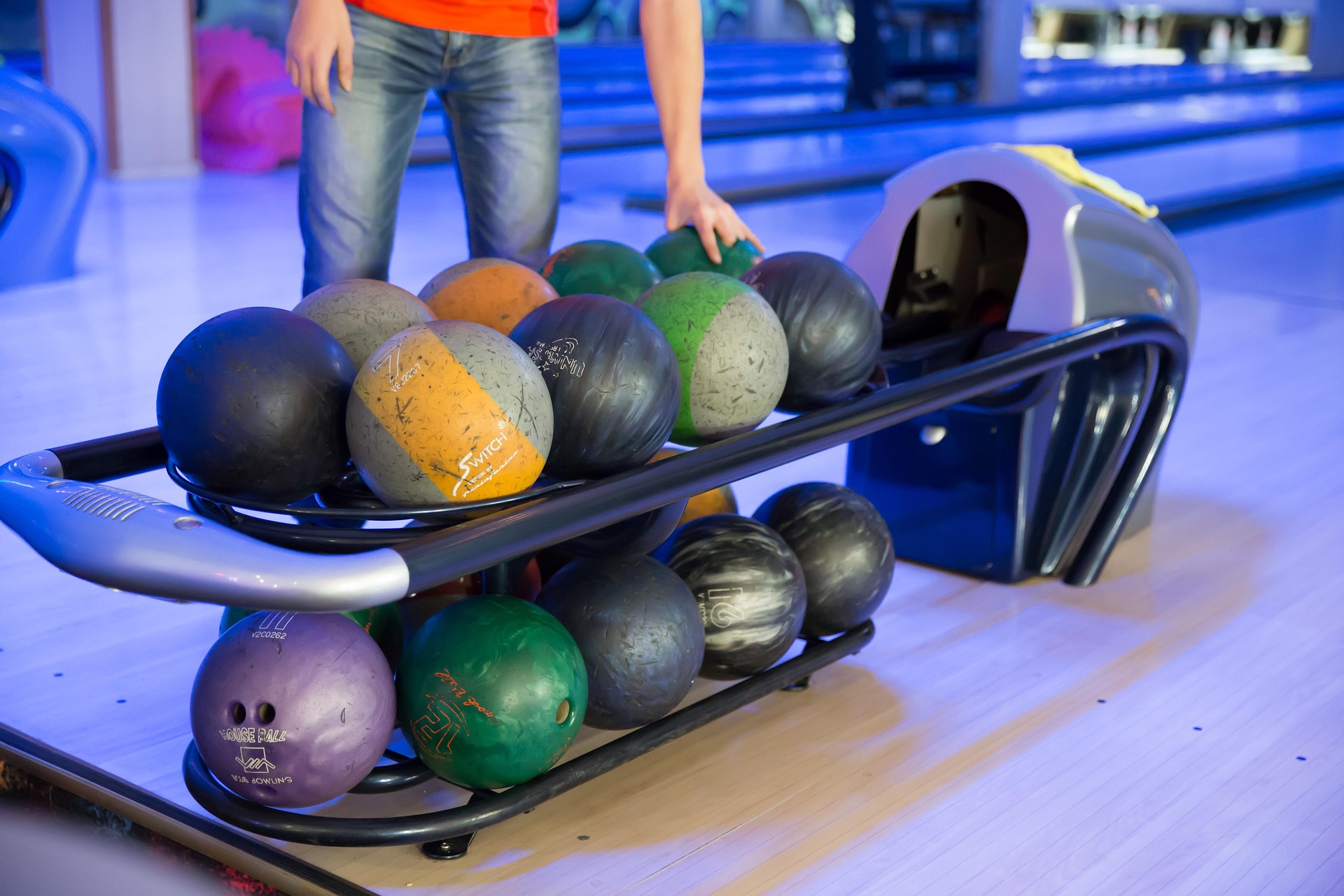
Duckpin bowling offers a different bowling experience that can work well in social entertainment settings. Its smaller balls are approachable for many first-time players, while the challenge of clearing the pins gives groups a reason to compete and play again.
For family entertainment centers, sports bars, pubs, hotels, and mixed-use leisure venues, bowling can create an activity that encourages guests to stay longer and spend time together. However, the business case depends on more than the game itself. Operators should consider lane capacity, available space, equipment reliability, maintenance, staffing, and the types of customers they expect to serve.
When planning a new bowling attraction, it is also important to distinguish traditional duckpin equipment from string-pin bowling systems. These are not identical formats: duckpin refers to a style of bowling with smaller pins and balls, while string-pin describes a pinsetting mechanism that uses strings to reset pins. The best option depends on the experience and operating model you want to create.
Planning a Bowling Attraction for Your Venue?
Chfuntek supplies customized commercial bowling equipment and string-pin bowling solutions for entertainment venues. If you are evaluating a new bowling installation, explore the available equipment options and discuss your floor plan, lane configuration, and operational needs with the Chfuntek team.
Conclusion
Learning how to play duckpin bowling starts with three essentials: understand the ten-frame format, know how strikes and spares are scored, and focus on controlled, accurate shots. The third roll gives players another chance to knock down remaining pins, but consistent first-roll accuracy and better spare conversions are what help build stronger scores over time.
For venue operators, duckpin bowling also illustrates how a distinctive game format can create a social attraction. If you are considering bowling equipment for a commercial project, Chfuntek can help you explore string-pin bowling solutions and customized lane configurations suited to your venue.
Frequently Asked Questions
1. How many balls do you get in duckpin bowling?
Players can roll up to three balls per frame. If all ten pins fall on the first or second roll, the frame ends early, except for bonus deliveries that may apply in the tenth frame.
2. What is a strike in duckpin bowling?
A strike occurs when all ten pins are knocked down with the first ball of a frame. It scores ten points plus the number of pins knocked down on the next two rolls.
3. What is a spare in duckpin bowling?
A spare occurs when all ten pins are knocked down within the first two rolls of a frame. It scores ten points plus the number of pins knocked down on the next roll.
4. Is duckpin bowling harder than ten-pin bowling?
Many players find duckpin bowling challenging because the balls and pins are smaller, making it harder to knock down all ten pins. The lighter ball also encourages players to focus on accuracy and consistency rather than power alone.
5. What is the best way to improve at duckpin bowling?
Practice a consistent delivery, aim carefully, study the pins left after each roll, and work on spare conversions. Setting one specific improvement goal for each game can help you track progress.


