
Duckpin Bowling vs. Ten-Pin Bowling comes down to ball size, pin design, scoring rules, and playing style. Duckpin bowling uses smaller, lighter balls and shorter pins, while ten-pin bowling uses larger balls and standard full-size pins. Duckpin players typically have up to three deliveries per frame, compared with two in ten-pin bowling. These differences create distinct experiences for casual players and commercial entertainment venues.
For bowling center owners, family entertainment center (FEC) operators, and investors, choosing between these formats also involves lane configuration, pinsetting equipment, installation space, operating requirements, and target customers. Understanding the differences helps you select the right bowling concept for your project.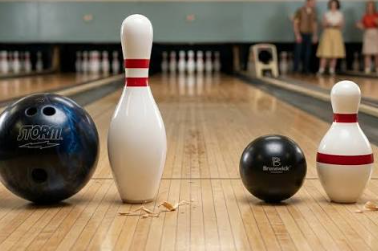
Quick answer: Duckpin bowling uses smaller balls, shorter pins, and generally allows three deliveries per frame. Ten-pin bowling uses larger balls and standard pins, with normally two deliveries per frame. For commercial projects, compare the equipment footprint, pinsetting system, maintenance requirements, and intended audience before choosing a format.
Duckpin Bowling vs. Ten-Pin Bowling: Key Differences
The most noticeable difference between Duckpin Bowling and ten-pin bowling is the equipment. Although both formats use ten pins and share the basic objective of knocking down as many pins as possible, their balls, pins, and frame rules create different gameplay experiences.
| Feature | Duckpin Bowling | Ten-Pin Bowling |
|---|---|---|
| Bowling balls | Small, lightweight balls, generally without finger holes | Larger, heavier balls, usually drilled for finger and thumb grip |
| Pins | Shorter, smaller pins | Standard full-size pins |
| Number of pins | 10 | 10 |
| Deliveries per frame | Up to 3 in a standard frame | Normally up to 2 |
| Gameplay | Emphasizes accuracy and repeated attempts | Combines power, accuracy, ball motion, and spare conversion |
| Typical audience | Families, casual players, and social groups | Casual players, league bowlers, and competitive players |
| Commercial applications | Duckpin centers, FECs, bars, and selected boutique venues | Traditional bowling centers, FECs, and sports entertainment venues |
The exact equipment dimensions and installation requirements depend on the selected system. Commercial buyers should confirm the specifications for the intended bowling format rather than assume that duckpin equipment can be installed on a standard ten-pin lane without modifications.
1. Ball Size and Weight
One of the clearest differences in Duckpin Bowling is the ball. Duckpin balls are much smaller and lighter than standard ten-pin balls. They are generally held in the hand without conventional finger holes, making them easier for many beginners to handle.
Ten-pin bowling uses larger balls that commonly weigh between 6 and 16 pounds. Bowlers choose a suitable weight and grip based on their strength, technique, and comfort.
A smaller ball does not automatically make duckpin bowling easier. Because the ball carries less momentum into the pins, knocking down all ten pins can be challenging. Players must pay close attention to direction and pin placement.
2. Pin Size and Gameplay
Duckpin bowling uses shorter, smaller pins than ten-pin bowling. This changes how pins fall and how difficult it can be to clear the deck.
In ten-pin bowling, an effective strike can result from a well-controlled ball entering the pocket between the head pin and an adjacent pin. Duckpin bowling presents a different challenge because its smaller ball and pin arrangement can make it harder to knock down every pin in a single delivery.
For casual players, the appeal is straightforward: the rules are easy to understand, but achieving a high score takes practice. For experienced bowlers, duckpin bowling offers a different challenge from the familiar ten-pin format.
3. Rules and Scoring
The two formats also differ in how many deliveries players can make during a frame.
In standard ten-pin bowling, players normally receive two deliveries per frame. A strike earns ten points plus the next two deliveries, while a spare earns ten points plus the next delivery.
Duckpin bowling generally allows up to three deliveries per frame. Players can use the additional attempt to knock down remaining pins. However, clearing all ten pins across three deliveries does not earn the strike or spare bonus associated with clearing them in one or two deliveries.
Scoring details, especially in the tenth frame, should be checked against the rules governing the particular duckpin league or facility.
For beginners, the additional delivery makes the game easier to follow. For operators, it offers a different playing rhythm and a fresh experience for customers who already know traditional bowling.
Which Is Easier: Duckpin Bowling or Ten-Pin Bowling?
Neither format is universally easier. The answer depends on the player's strength, experience, coordination, and expectations.
Duckpin bowling can feel more approachable because its smaller ball is easier to lift and handle. This can make it attractive to families, children who can safely use the equipment, and adults who prefer a casual activity.
However, the smaller pins and lighter ball can make it difficult to knock down all ten pins. Players may need several attempts to clear a difficult pin arrangement.
Ten-pin bowling has a steeper learning curve for some beginners because the ball is heavier and the grip requires more adjustment. At the same time, experienced players can develop techniques involving ball speed, rotation, lane conditions, and spare shooting.
For entertainment venues, the choice should reflect the intended customer experience. Duckpin bowling can support casual, social play, while ten-pin bowling can appeal to a broader mix of recreational and league bowlers.
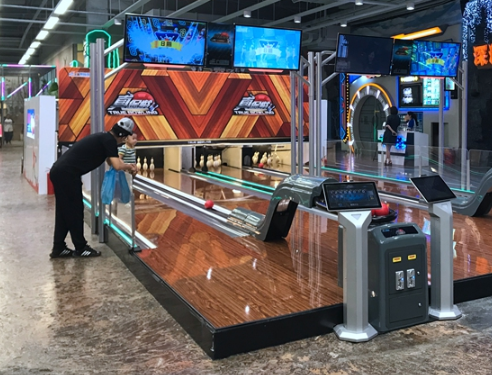
Duckpin Bowling vs. Ten-Pin Bowling Equipment for Commercial Venues
For business owners, the comparison extends beyond the game itself. A bowling installation is a long-term investment, so the equipment must match the venue, expected traffic, available space, and maintenance plan.
Lane Dimensions and Space Planning
Do not assume that every duckpin bowling lane is shorter than a ten-pin lane. Traditional duckpin installations may use a full-length lane, while compact or mini bowling systems can have different dimensions depending on their design.
Before choosing a format, establish the available room depth and width, ceiling height, seating requirements, player circulation, and access for installation. Request a layout drawing that includes the complete equipment footprint, not just the playing lane.
For FECs, shopping malls, sports bars, and boutique entertainment venues, a compact bowling concept may help use limited floor space more effectively. However, the actual space savings depend on the system selected and the surrounding layout.
Pinsetters and Ball Return Systems
The pinsetting system is another important purchasing consideration. Duckpin and ten-pin bowling require equipment compatible with their respective pin sizes, ball specifications, and playing configurations.
String pinsetters use cords attached to the pins to help reset them after a delivery. Depending on the system, this design can offer a different maintenance profile from traditional free-fall pinsetting equipment.
When comparing bowling alley equipment, ask suppliers about cycle time, routine maintenance, replacement parts, operating requirements, warranty coverage, and after-sales support. Confirm that the proposed pinsetter, ball return, scoring system, and lane components are compatible with the chosen bowling format.
Choosing Equipment for Your Business
The right system depends on your business model:
- Traditional bowling centers: Ten-pin bowling may be the natural choice for customers seeking a familiar bowling experience and organized league play.
- Family entertainment centers: Duckpin bowling or compact bowling may add a social activity alongside arcade games and other attractions.
- Sports bars and boutique venues: A smaller-format bowling concept may complement food, drinks, and group entertainment, depending on the available space.
- Hotels and resorts: The best option depends on guest demographics, operating hours, staffing, and the wider leisure offering.
Explore Bowling Equipment Solutions from Chfuntek
If you are planning a new bowling project, Chfuntek provides bowling equipment and customized solutions for commercial venues. The right configuration depends on your intended format, available space, target audience, and operating requirements.
Discuss your project dimensions and equipment requirements with the team, and confirm the exact lane, pinsetting, ball-return, and scoring configuration before making an investment.
How to Choose Between Duckpin Bowling and Ten-Pin Bowling
Before placing an equipment order, evaluate these five factors.
1. Target audience. Decide whether your primary customers are families, casual groups, league bowlers, or mixed-age visitors.
2. Available space. Measure the entire installation area and request a layout showing lanes, pinsetting machinery, ball returns, player areas, and circulation space.
3. Initial investment. Compare complete quotations rather than equipment prices alone. Include shipping, installation, electrical work, flooring, accessories, and any required construction.
4. Operating costs. Ask about maintenance intervals, consumables, replacement parts, staffing, energy requirements, and warranty terms.
5. Supplier support. Choose a supplier that can explain the technical specifications, provide installation guidance, and clarify its after-sales service arrangements.
Chfuntek works with commercial buyers exploring bowling equipment and customized entertainment projects. If you are considering duckpin bowling, ten-pin bowling, or a compact bowling installation, share your venue dimensions and project goals to discuss suitable options.
Frequently Asked Questions
Is duckpin bowling the same as ten-pin bowling?
No. Both formats use ten pins, but duckpin bowling uses smaller balls and shorter pins and generally allows up to three deliveries per frame. Ten-pin bowling uses larger balls and standard pins, with normally two deliveries per frame.
Why is duckpin bowling difficult?
Duckpin bowling can be challenging because the ball is smaller and lighter, while the pins are shorter. Knocking down all ten pins in one delivery is often difficult, so accuracy and consistent placement matter.
Does duckpin bowling require less space than ten-pin bowling?
Not always. Traditional duckpin lanes can be full length, while some compact bowling systems use different layouts. Confirm the lane dimensions, machinery footprint, and required clearance for the specific equipment.
Is duckpin bowling a good option for an FEC or sports bar?
It can be, particularly when a venue wants a social activity for groups and families. Suitability depends on the target audience, floor space, investment budget, operating model, and availability of compatible equipment.
Can duckpin and ten-pin bowling use the same equipment?
Not necessarily. Balls, pins, pinsetting systems, gutters, ball returns, and scoring configurations must be compatible with the selected format. Ask the manufacturer to confirm which components can be shared and which require dedicated equipment.
How can I choose a bowling equipment supplier?
Compare technical specifications, installation support, warranty terms, spare parts availability, maintenance requirements, and the supplier's experience with commercial projects. Request a detailed quotation and equipment layout before making a decision.
Plan Your Bowling Project with Chfuntek
Duckpin Bowling and ten-pin bowling share the same basic goal, but their equipment, rules, and playing experiences are different. Duckpin bowling offers smaller balls, shorter pins, and an additional delivery per frame, while ten-pin bowling provides the familiar full-size bowling experience.
For commercial buyers, the right choice depends on the target audience, venue dimensions, equipment configuration, and long-term operating costs. Compare complete specifications and installation plans before investing.
Planning a new bowling center or adding bowling to an FEC, sports bar, hotel, or resort? Contact Chfuntek to explore bowling equipment solutions and discuss your project requirements.
Explore Bowling EquipmentNote: Equipment dimensions, specifications, maintenance requirements, and installation costs vary by configuration. Confirm details with the manufacturer before purchasing.


