
Before investing, buyers should compare interactive features, automatic ball feeding and return, game modes, space requirements, durability, warranty, and after-sales support. This guide explains the major cost factors and provides a practical checklist for choosing a commercial tennis simulator machine in 2026.
How Much Does a Commercial Tennis Simulator Machine Cost in 2026?
The cost of a commercial tennis simulator machine depends on the type of system, its technical configuration, and the scope of installation. As an initial planning reference, a complete commercial indoor tennis simulator installation may fall around $20,000–$60,000 or more. Complex projects with customized layouts, additional construction, or specialized requirements may cost more.
These figures are indicative planning estimates, not verified prices for specific models or a formal Chfuntek quotation. Actual costs depend on supplier specifications and project requirements.
| Budget Category | Indicative Planning Range | Typical Application |
|---|---|---|
| Compact commercial setup | $12,000–$20,000 | Smaller venues and supplementary attractions |
| Mid-range interactive system | $20,000–$45,000 | FECs, sports bars, hotels, and sports centers |
| Premium or customized installation | $45,000–$60,000+ | Large entertainment venues and customized projects |
A quotation may cover only the main equipment, while another may include the display, software, freight, installation, commissioning, and operator training. Always compare the same scope of supply before deciding which offer provides better value.
Equipment Price vs. Total Project Cost
A commercial tennis simulator machine is part of a larger investment. Buyers should separate the initial equipment price from other expenses that may be required to open the attraction.
- Main equipment: Simulator hardware, ball-feeding mechanism, sensors, and control system.
- Display and projection: Screen, projector, mounting structure, and related components, depending on the configuration.
- Software: Game modes, scoring functions, difficulty settings, and any customization or licensing fees.
- Shipping and import costs: Freight, insurance, customs duties, and local delivery where applicable.
- Installation and commissioning: Assembly, system testing, electrical work, and site preparation.
- Operating expenses: Maintenance, replacement parts, software support, and staff time.
Request an itemized quotation so you can distinguish included features from optional upgrades and third-party expenses.
6 Factors That Affect Tennis Simulator Machine Prices
1. Hardware and Tracking Technology
The hardware configuration directly affects the price of a tennis simulator machine. Systems may differ in their sensing technology, ball-impact detection, control hardware, projection setup, and mechanical design.
For commercial venues, the key question is whether the system can deliver a consistent experience during repeated sessions. Ask the manufacturer how shots are detected, what gameplay data is available, and how the system performs under normal commercial operating conditions.
Do not assume that a higher price automatically means better tracking. Request a demonstration and confirm the specific capabilities included in the quotation.
2. Automatic Ball Feeding and Return
Automatic ball handling can make a significant difference to daily operations. If staff must manually feed balls or retrieve them after every shot, the attraction may require more hands-on supervision and create longer gaps between sessions.
A tennis simulator machine with automatic ball feeding and return can help streamline gameplay and reduce routine ball handling. This is particularly relevant for FECs, arcades, sports bars, and hotels that want to manage customer turnover efficiently.
When comparing systems, confirm how the ball-feeding and return functions operate, what maintenance they require, and whether they are included in the quoted configuration.
3. Software and Game Modes
Software affects both the purchase price and the attraction's long-term appeal. A system with different gameplay options can serve more customer types than one designed for a single activity.
- Practice Mode: For users who want to work on basic shots.
- Training Mode: For more structured skill development.
- Skill Challenge Mode: For scored challenges and competitive play.
These modes can help operators serve beginners, casual players, families, and experienced tennis enthusiasts. Before ordering, confirm which modes are included, whether difficulty can be adjusted, and whether future software updates or customization incur additional fees.
4. Display Quality and Venue Visibility
The display system affects the visual experience, installation budget, and suitability for different venues. A large projection screen can make gameplay easy to follow for both players and spectators.
For shopping malls, arcades, and family entertainment centers, visibility is commercially important. Passersby should be able to understand the activity quickly and see why it might be enjoyable to try.
Sports bars and pubs may prioritize social competition, while tennis centers may place more emphasis on practice and training functions. Choose a display configuration that fits your venue layout and target customers rather than paying for features that do not support your business model.
5. Installation and Space Requirements
The installation cost of a tennis simulator machine depends on the available space and the work needed to prepare the site. Buyers should confirm the complete footprint, ceiling height, swing clearance, player area, screen position, electrical requirements, and any safety clearances.
A venue may also need flooring adjustments, lighting changes, network access, or customized decoration. These expenses should be identified before the equipment order is finalized.
Do not rely on generic room dimensions. Ask the supplier for the actual installation drawings and technical requirements of the selected configuration. This is especially important for shopping malls, hotels, and entertainment projects where floor space is expensive and construction changes can be costly.
6. Warranty and After-Sales Support
The lowest-priced tennis simulator machine may not be the most economical option over its operating life. For commercial buyers, unexpected downtime can affect customer satisfaction and revenue.
- Warranty duration and coverage.
- Availability and cost of replacement parts.
- Remote troubleshooting and technical support.
- Installation assistance and operator training.
- Software maintenance and update policies.
- Expected maintenance requirements.
Dealers and international buyers should also clarify shipping terms, spare-parts lead times, and the process for resolving technical problems across borders.
How to Calculate the Potential ROI of a Tennis Simulator Machine
A tennis simulator machine can create revenue through pay-per-play sessions, group bookings, birthday parties, corporate events, training programs, and special competitions. However, profitability depends on venue traffic, pricing, utilization, operating costs, and the attraction's fit with the target audience.
Consider this illustrative example:
| Metric | Example Assumption |
|---|---|
| Average session price | $10 |
| Paid sessions per day | 15 |
| Operating days per month | 26 |
| Monthly gross revenue | $3,900 |
This is not a profit forecast or a guaranteed return. The estimate excludes rent, labor, marketing, maintenance, payment fees, taxes, and other operating expenses. Actual performance may be lower or higher depending on local demand and utilization.
Before investing, estimate realistic paid sessions per day using your venue's expected foot traffic and customer behavior. Then calculate the monthly contribution after operating costs and compare it with the complete project investment.
Choosing a Tennis Simulator Machine for Different Commercial Venues
The right configuration depends on how the attraction will be used.
- FECs and arcades: Prioritize easy-to-understand gameplay, multiple game modes, durability, and efficient session turnover.
- Sports bars and pubs: Look for social competition, visible gameplay, and formats that work for groups and event nights.
- Shopping malls: Consider visual impact, visitor engagement, floor-space efficiency, and ease of operation.
- Tennis centers: Evaluate practice and training options, shot detection, and suitability for the club's player base.
- Hotels and resorts: Consider family-friendly entertainment, operating simplicity, and year-round indoor use.
- Dealers and project investors: Focus on product specifications, installation scope, warranty, customization, and long-term supplier support.
- Procurement managers: Compare itemized quotations, delivery terms, compliance requirements, service arrangements, and total cost of ownership.
A system that works well in a training facility may not be the best fit for a high-traffic arcade. Define the primary use case before selecting the equipment.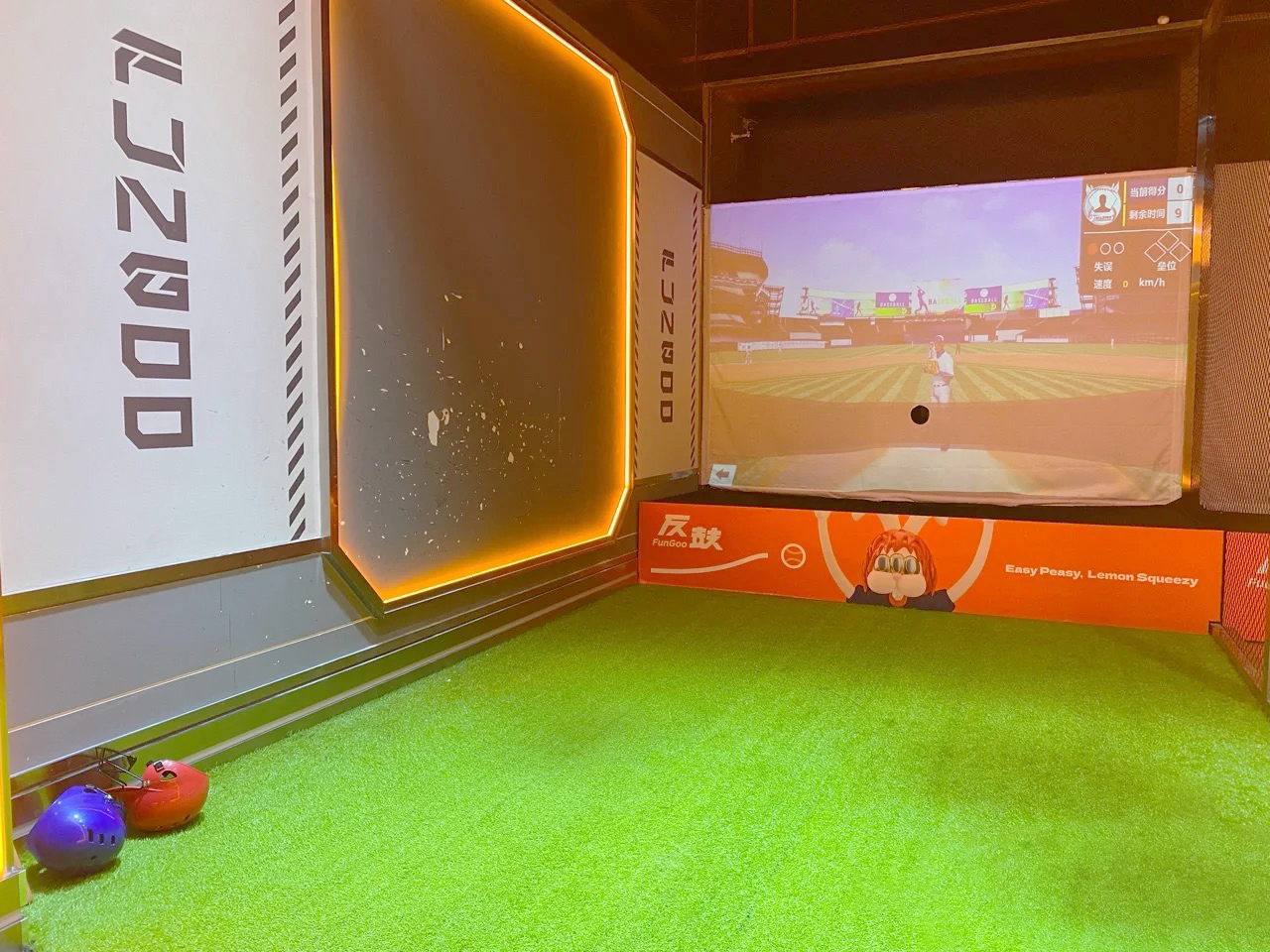
Why Consider Chfuntek for Your Commercial Tennis Simulator Project?
Chfuntek provides interactive sports and entertainment equipment for commercial venues seeking to expand their indoor activity offerings.
The Chfuntek interactive tennis simulator combines real rackets and balls with sensor and projection technology to create an indoor tennis experience. Depending on the selected configuration, features include automatic ball feeding and return, along with Practice Mode, Training Mode, and Skill Challenge Mode.
For operators, these features can support different visitor needs—from casual gameplay to structured practice and competitive challenges. Automatic ball handling can also reduce routine manual work between shots.
If you are planning a tennis attraction for an FEC, sports bar, arcade, shopping mall, tennis center, hotel, or resort, start by assessing your available space, target customers, and expected daily usage. Chfuntek can help you discuss the suitable configuration and project requirements before you finalize your investment.
Planning a Commercial Tennis Simulator Project?
Explore Chfuntek's interactive sports equipment and discuss the configuration that fits your venue, space, and business objectives.
Explore Chfuntek SolutionsTennis Simulator Machine: Frequently Asked Questions
How much does a commercial tennis simulator machine cost?
A complete commercial installation may cost around $20,000–$60,000 or more, depending on hardware, software, display technology, automation, shipping, installation, and customization. Request a project-specific quotation to confirm the final price.
What is included in the price of a tennis simulator machine?
Depending on the supplier, the price may include the main hardware, sensors, screen or projector, software, ball-handling system, and control equipment. Shipping, installation, taxes, training, and ongoing support may be charged separately.
Is a tennis simulator machine suitable for an FEC or sports bar?
Yes. A commercial interactive tennis simulator can provide a physical, social activity for families, groups, and sports enthusiasts. The best configuration depends on the venue's available space, customer profile, pricing model, and expected utilization.
Does a tennis simulator machine need a lot of space?
Space requirements vary by model. Buyers must account for the full racket swing, player movement, screen clearance, ceiling height, equipment placement, and safety area. Confirm the exact installation drawings with the supplier before preparing the site.
Can a tennis simulator machine support both entertainment and training?
Depending on the software, it can support recreational gameplay, structured practice, and skill challenges. Buyers should confirm the available modes, scoring functions, tracking capabilities, and difficulty settings before purchase.
What should I check before choosing a tennis simulator machine manufacturer?
Evaluate the technical specifications, commercial durability, automation, software, installation support, warranty, spare-parts availability, and supplier experience with commercial projects. Compare complete quotations rather than headline equipment prices alone.
Final Thoughts
The cost of a Tennis Simulator Machine in 2026 depends on far more than the equipment itself. Hardware, tracking, automatic ball handling, software, display technology, installation, and after-sales support all influence the final investment.
For FEC operators, sports bars, arcades, shopping malls, tennis centers, hotels, resorts, dealers, and project investors, the most effective approach is to calculate the total project cost and evaluate the attraction against realistic operating assumptions.
If you are considering an interactive tennis simulator for your venue, contact Chfuntek to discuss your space, business objectives, and equipment requirements. A configuration matched to your venue is a better starting point than choosing a machine based on price alone.


